
Our Blogs
Questions, Articles, News & More…
How charred wood ages: weathering, durability & maintenance
How charred wood changes over time
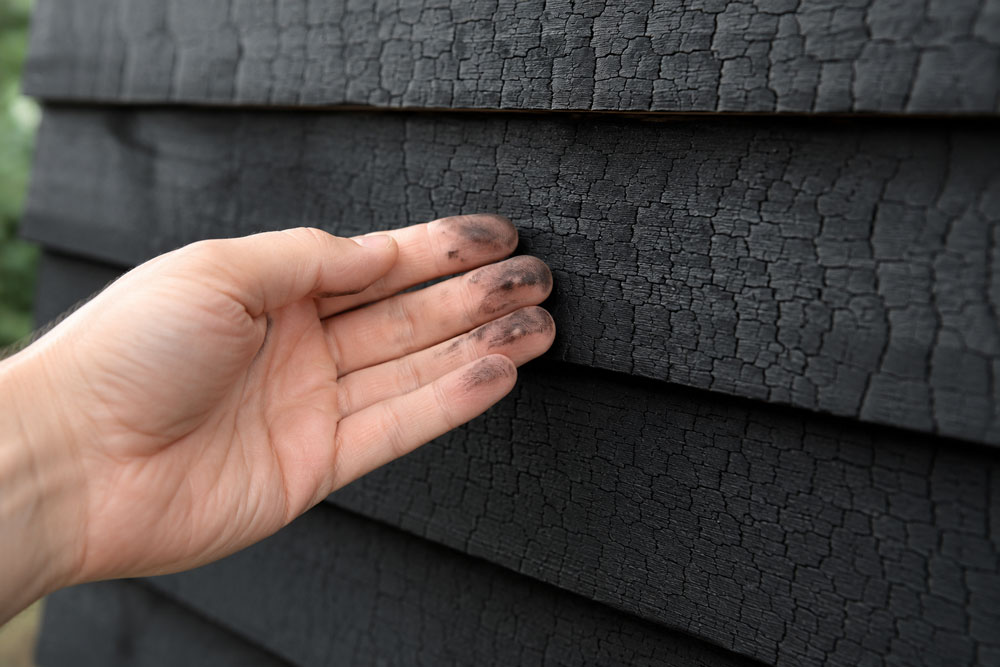
One of the first things people notice about newly charred timber is that it can leave a small amount of black residue on your hands or clothing. This is completely normal and is simply loose carbon remaining on the surface after the charring process.
However, this is only a temporary characteristic.
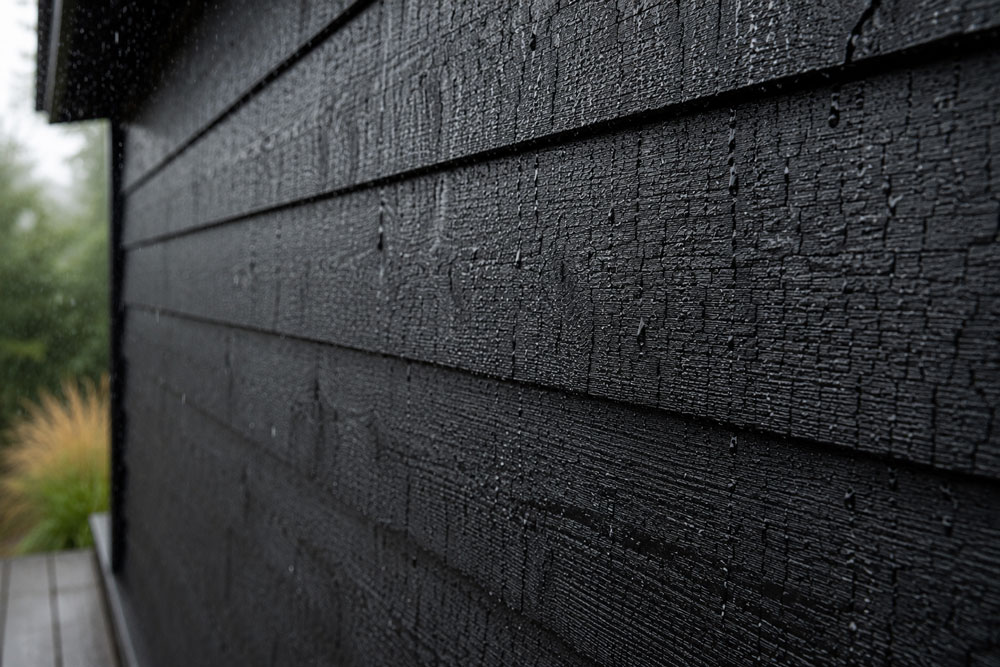
As the timber is brushed, oiled and exposed to the natural weathering cycle, the surface gradually hardens and stabilises. Any loose carbon particles are naturally removed by wind and rain, leaving behind a durable, well-bonded carbon layer that becomes far less prone to transferring residue. Within the first few months of installation, the finish develops a much more settled appearance and can typically be touched without the black residue associated with freshly charred timber.
This natural curing process is one of the reasons why professionally prepared Yakisugi (Shou Sugi Ban) cladding continues to perform exceptionally well for decades.
Weathering is part of the character
Like all natural timber, charred wood continues to evolve throughout its life. Rather than deteriorating, it develops a mature patina that enhances its appearance.
Depending on the level of exposure, you may notice:
- A slightly softer, more refined surface texture.
- A reduction in the deep charcoal appearance as loose surface carbon disappears.
- Subtle variations in tone across elevations exposed to different amounts of sunlight and rain.
- A finish that becomes increasingly stable and low maintenance.
These changes are considered desirable and are a hallmark of genuine charred timber rather than a manufactured imitation.
A finish designed to last
The carbon layer created during charring acts as a natural protective barrier against moisture, UV exposure, fungal decay and insect attack. When combined with quality timber, correct detailing and professional installation, charred wood can provide a service life measured in decades with very little maintenance.
Unlike painted or coated timber, there is no film to peel or flake away. Instead, the timber ages naturally, retaining its distinctive appearance while requiring only occasional cleaning and, where specified, periodic re-oiling to refresh the finish.
The result is a façade that becomes more refined over time, developing character and stability while maintaining the timeless aesthetic that has made charred wood a trusted building material for centuries.