
Our Blogs
Questions, Articles, News & More…
Charred Wood and Thermally Modified Wood: is one better than the other?
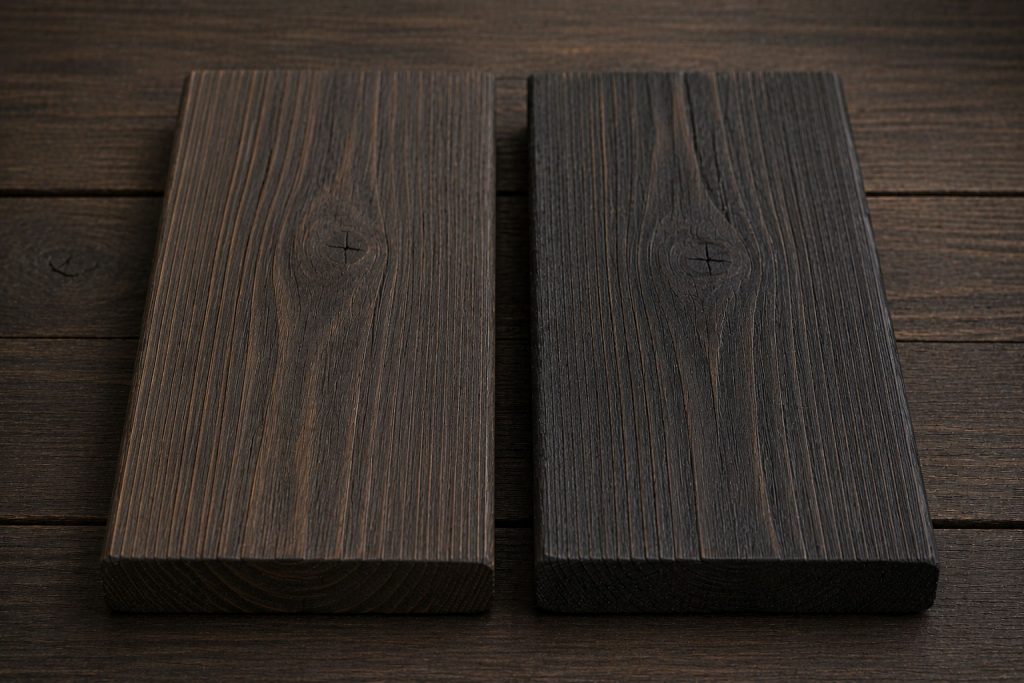
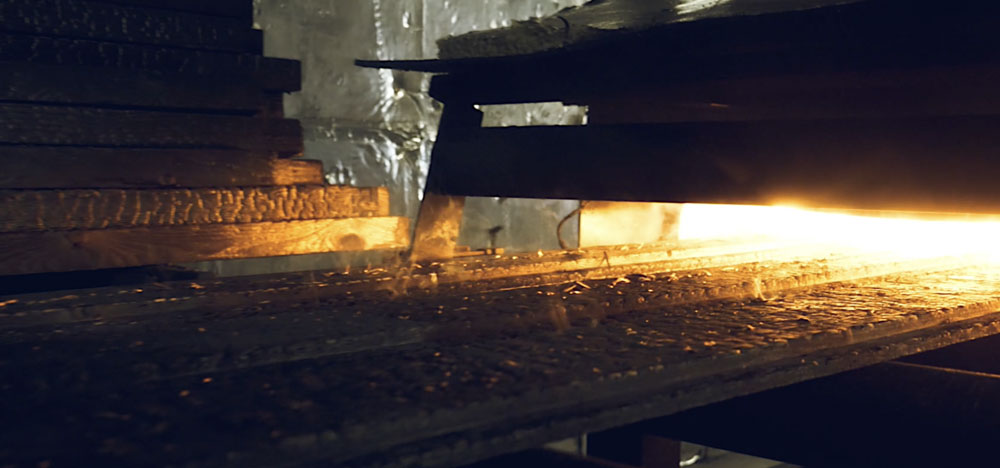
As sustainable timber cladding continues to grow in popularity, two materials are frequently compared: Thermally Modified Wood and Charred Wood (or Yakisugi, often better known as Shou Sugi Ban).
While both improve the durability of timber without using harmful chemicals, they achieve this in very different ways.
THE PROCESSES
Thermally Modified Wood is heated in a controlled, oxygen-free environment, altering the timber’s internal structure. This reduces moisture absorption, improves dimensional stability, and increases resistance to decay, making it an excellent choice where movement is a key consideration.
Charred Wood, by contrast, is created by carefully burning the timber’s surface to form a protective carbon layer. This natural barrier helps defend against moisture, UV exposure, insects and fungal decay, while creating a striking architectural finish that requires very little maintenance.
For exterior cladding, the choice often comes down to design priorities. The thermally modified process offers a warm, natural appearance and exceptional stability, while charring timber provides a bold aesthetic, superior weather resistance, and a lifespan that can exceed 50 years when properly manufactured and installed.
A simple way to understand the difference is this: Thermally Modified Wood improves the timber from within, while Charred Wood protects it from the outside.
At YakiWood, we believe charred timber offers the ideal combination of durability, sustainability, along with architectural character: making it one of the most distinctive and low-maintenance cladding, decking and fencing solutions available.